
Signature
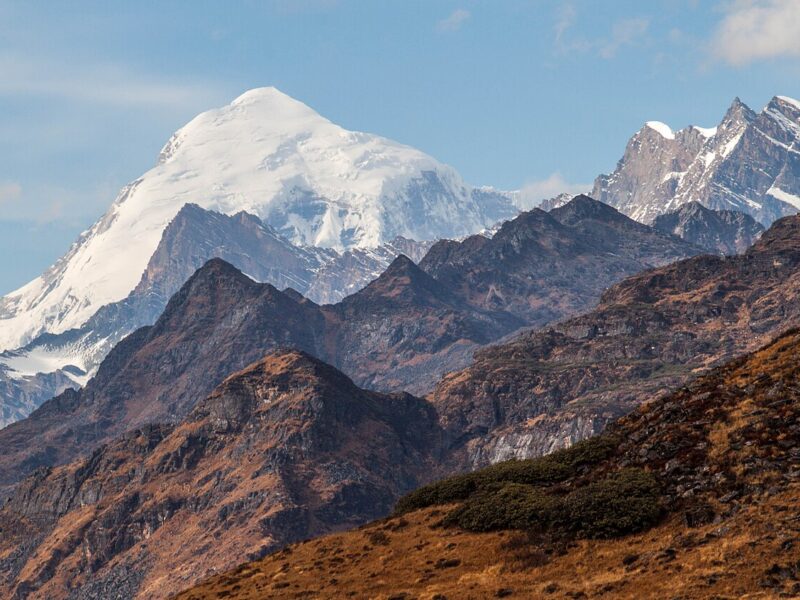
Fourteen days from the Paro Chhu to the hot springs of Gasa, through Lingshi, Chebisa and Laya — the finest half of the Snowman.
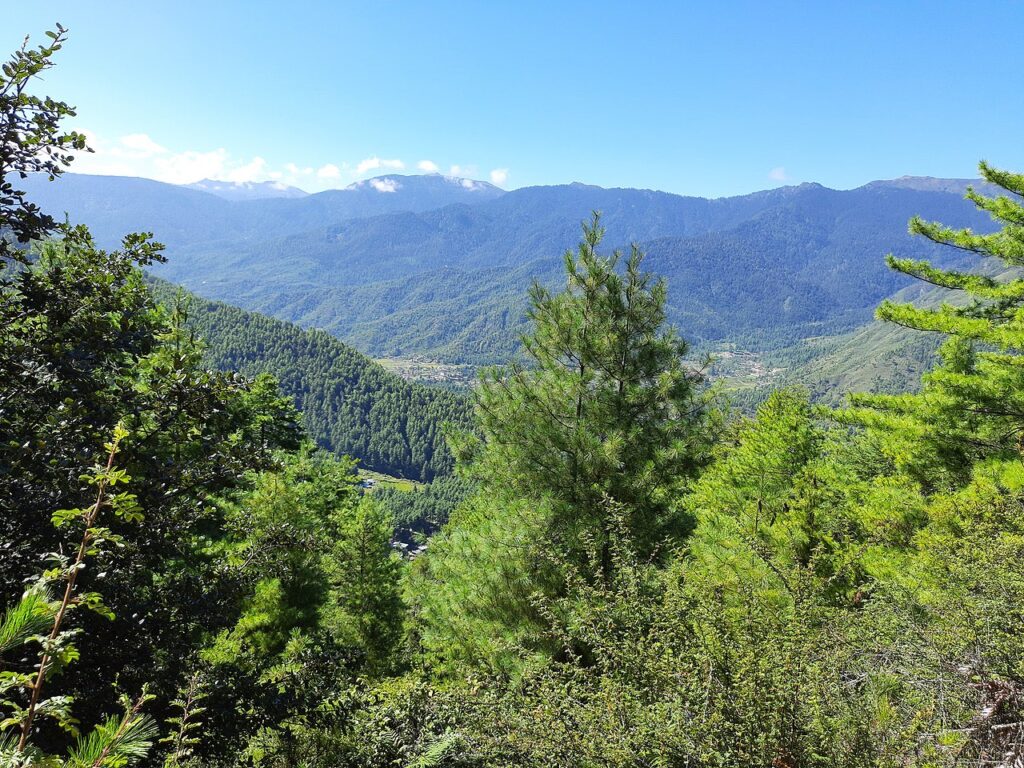
The Laya–Gasa route takes the finest half of the Snowman and leaves the hardest. It begins as the Jomolhari trek does — up the Paro Chhu to the base-camp meadow at Jangothang — then keeps going north-east beneath Jichu Drake, through Lingshi and the highest villages in the kingdom, to Laya, where the trail finally tips downhill to the hot springs of Gasa.
Two weeks is long enough for the country to change around you: rhododendron forest to glacier valley, dzong to yak camp, and at Laya a village culture found nowhere else in Bhutan — the women in their conical bamboo hats, the houses banked against winter. It is a serious undertaking, with two passes over 4,900 m; but every hard day ends in a camp worth walking to, and the last one ends in hot water.
The classic approach up the Paro Chhu: Sharna Zampa, Thangthangka, and the base-camp meadow at Jangothang with Jomolhari overhead — including a day to acclimatise among the Tshophu lakes.
Cross the Nyile La at 4,930 m and descend past Lingshi’s hilltop dzong to Chebisa, a one-street village with a waterfall at the end of it — many walkers’ favourite camp in Bhutan.
Four days of true high country over the Gobu La, the Jhari La and the Sinche La — the last at 5,005 m — past yak camps and stone villages before the trail drops into Laya. A rest morning among its houses and looms.
Two easier days descending the gorge of the Mo Chhu to Gasa Dzong and its tsachu — the hot springs where Bhutanese families come to soak away a winter — then the drive out to Punakha.
April to May and September to October. Spring fills the middle altitudes with rhododendron and primula; autumn keeps the passes driest and the big peaks clearest. The Sinche La holds snow either side of those windows, so we hold to them.

Tell us how much time you have and how high you’d like to stand. We’ll send back a tailored route — usually within two days.