
Cultural
Nine days through Paro, Thimphu and Punakha, timed to a tshechu — masked dances in a dzong courtyard and the kingdom at its most alive.
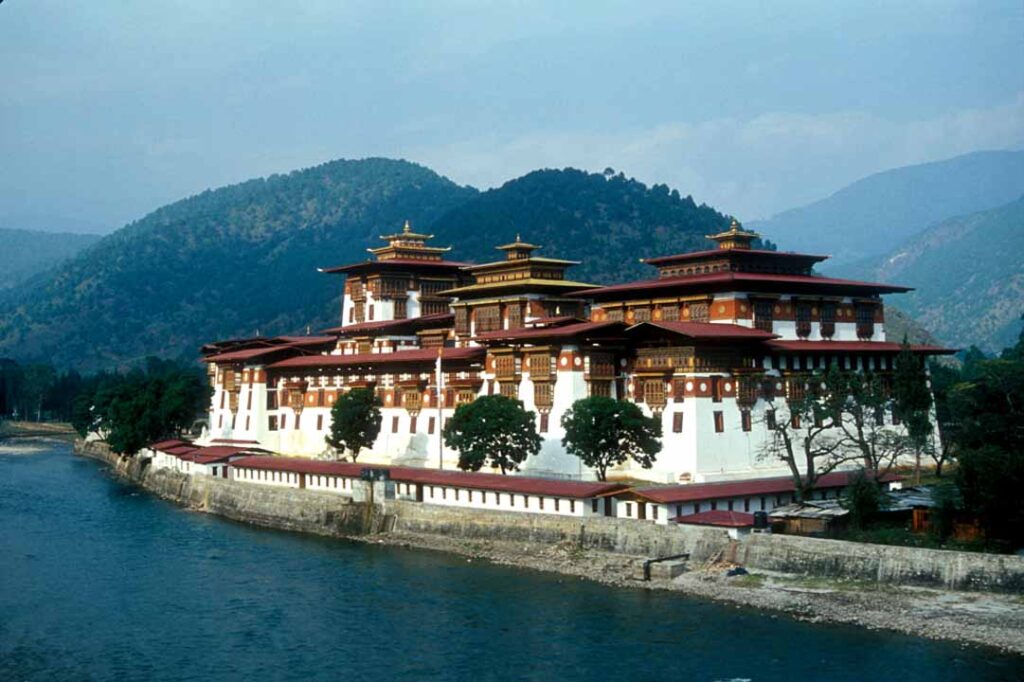
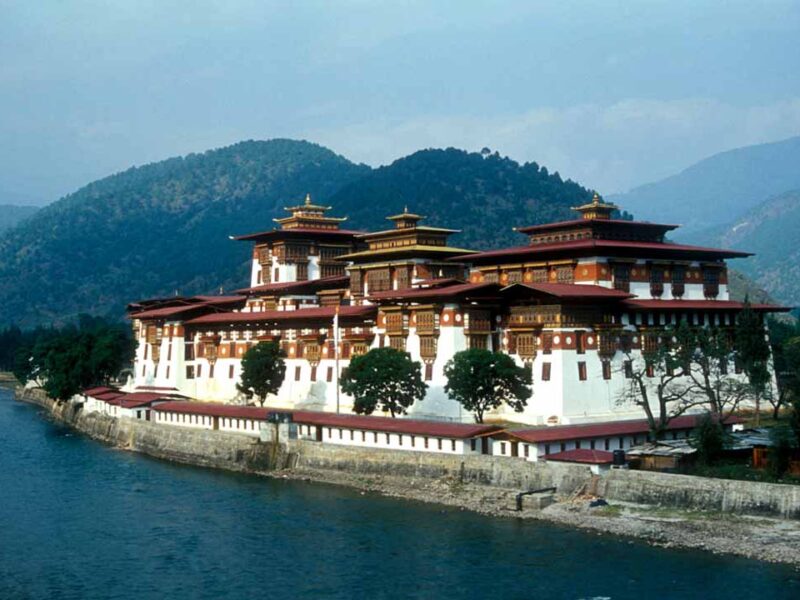
This is our signature cultural journey: nine days through the western valleys, timed so that you stand in a dzong courtyard on the day of a tshechu — the masked dance festival every district stages once a year. Around the festival we thread the essentials at an unhurried pace: Tashichho Dzong at dusk, Punakha Dzong at the meeting of two rivers, and the climb to Tiger’s Nest saved for near the end, when your legs are ready for it.
A tshechu is not staged for visitors — it is a valley’s whole year gathered in one courtyard, grandmothers and schoolchildren picnicking side by side while the cham dancers turn. We arrive early, sit where the families sit, and let our guide read the dances for you: which mask is a protector, which a fool, and why the crowd laughs when it does.
Fly in past the peaks to Paro and drive up to the capital. Tashichho Dzong in the late-afternoon light, the weekend market, and a first dinner of ema datshi where the locals eat.
Two days at the festival, sitting with the families as the cham dances turn from morning to late afternoon. Our guide unpicks the stories — protectors, sinners, saints and clowns — as they pass in masks and brocade.
Cross the pass with its hundred and eight chortens and drop into the warm valley. Punakha Dzong from inside its painted courtyards, a walk through the rice terraces to Chimi Lhakhang, and a night by the river.
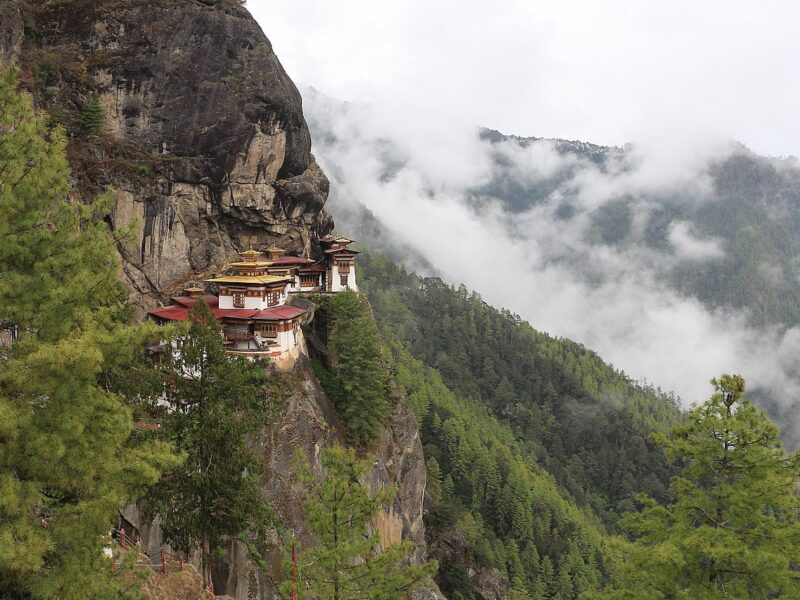
Back west for Kyichu Lhakhang, one of the kingdom’s oldest temples, and the climb to Taktsang — the Tiger’s Nest — with butter tea at the halfway teahouse. A hot-stone bath and a farewell dinner before your flight.
Tshechu dates follow the lunar calendar and shift each year. The great Paro tshechu falls in spring (March–April) and Thimphu’s in autumn (September–October) — both seasons when the valleys are at their best. Tell us your travel window and we will time the journey to the nearest festival.
Tell us how much time you have and how high you’d like to stand. We’ll send back a tailored route — usually within two days.